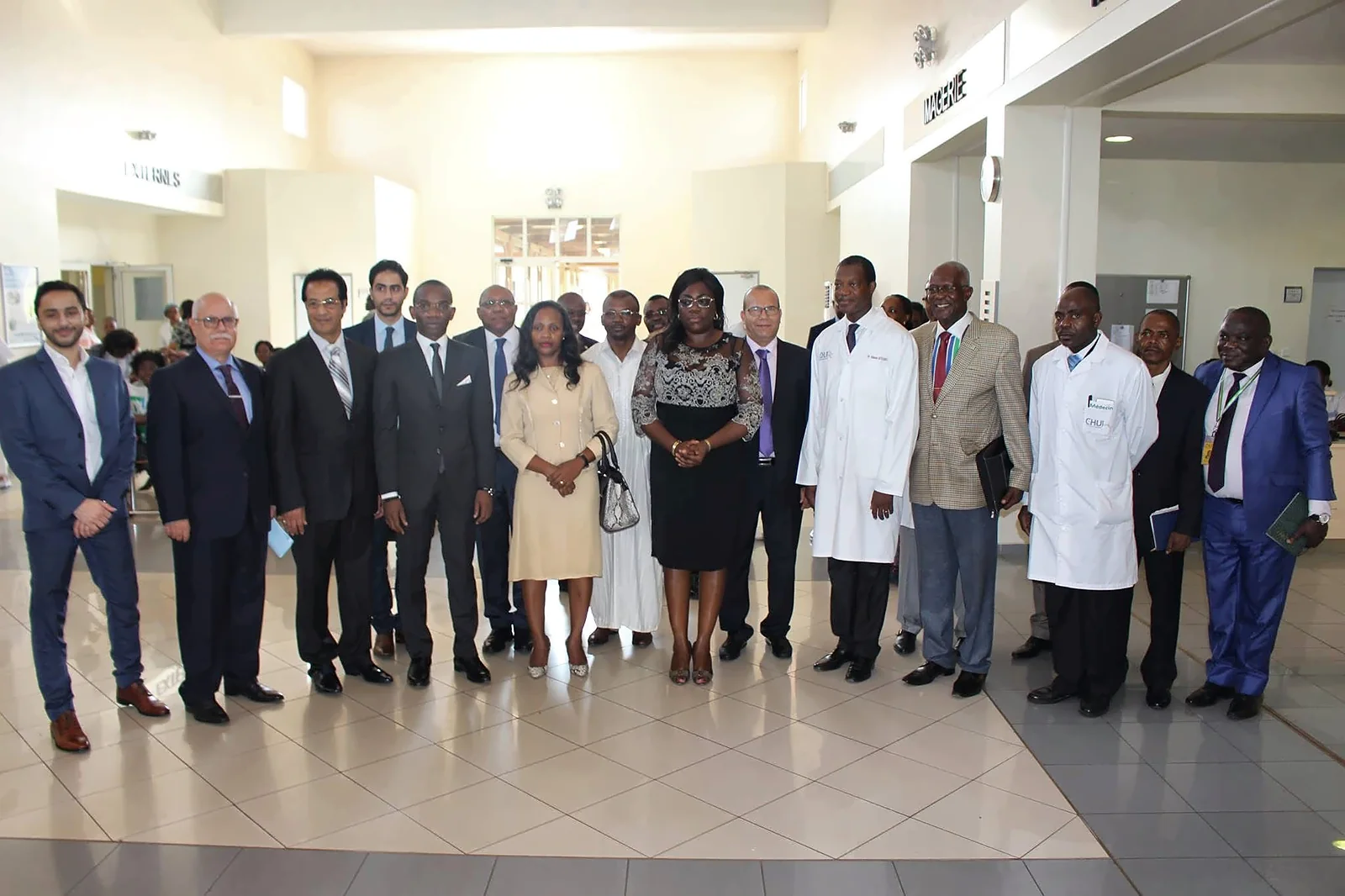
In December 2017, a team of Moroccan specialists linked to SEVAMED and the Polyclinique Internationale de Rabat joined Agondjé University Hospital for a medical and surgical mission combining surgical procedures, skills transfer and the strengthening of neurosurgical care in Gabon.
Mission carried out from 4 to 7 December 2017.
As part of strengthening medical cooperation between Morocco and Gabon, a team of Moroccan specialists linked to SEVAMED and the Polyclinique Internationale de Rabat travelled to Agondjé University Hospital for a medical and surgical mission dedicated to neurosurgery.
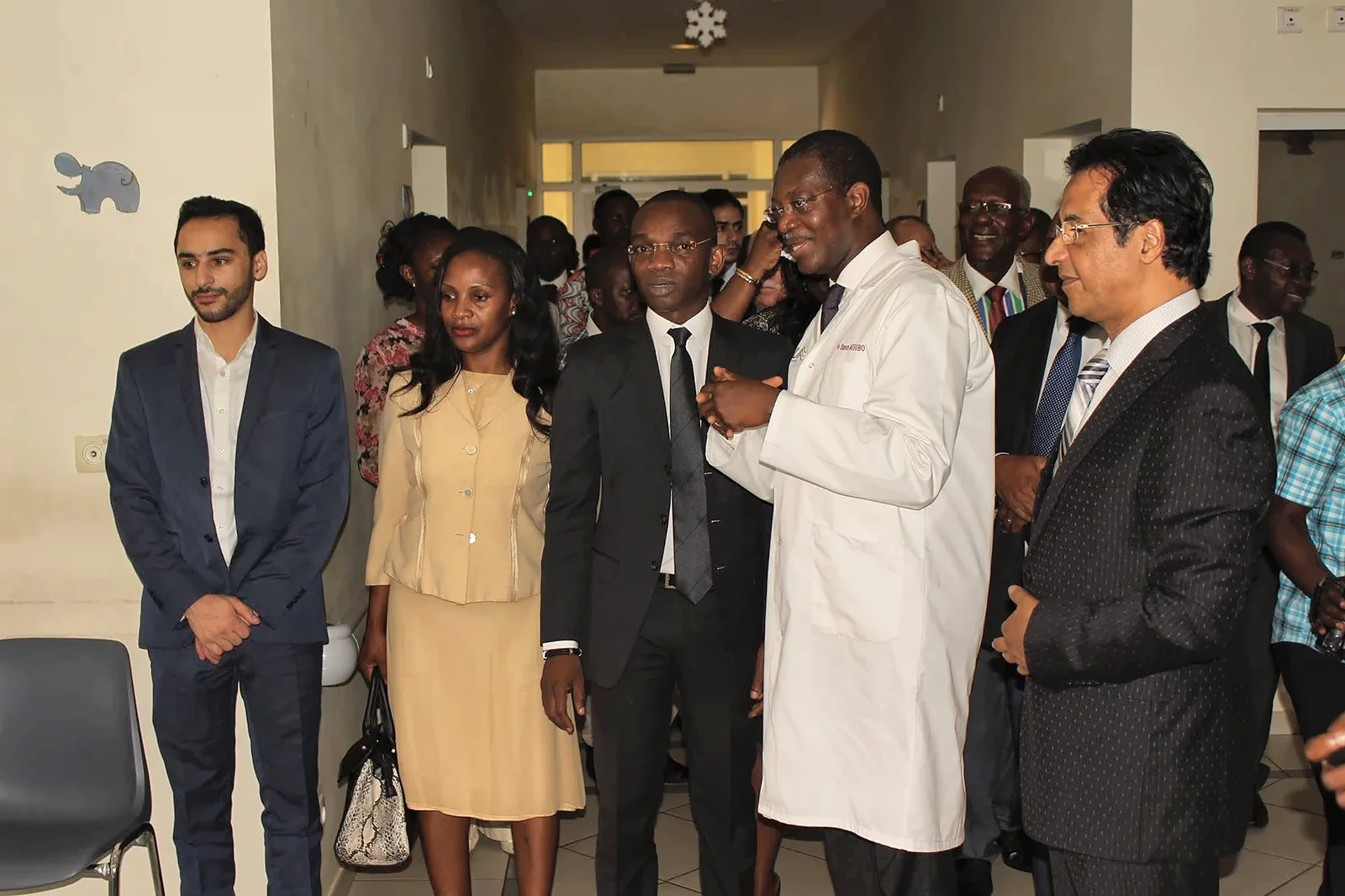
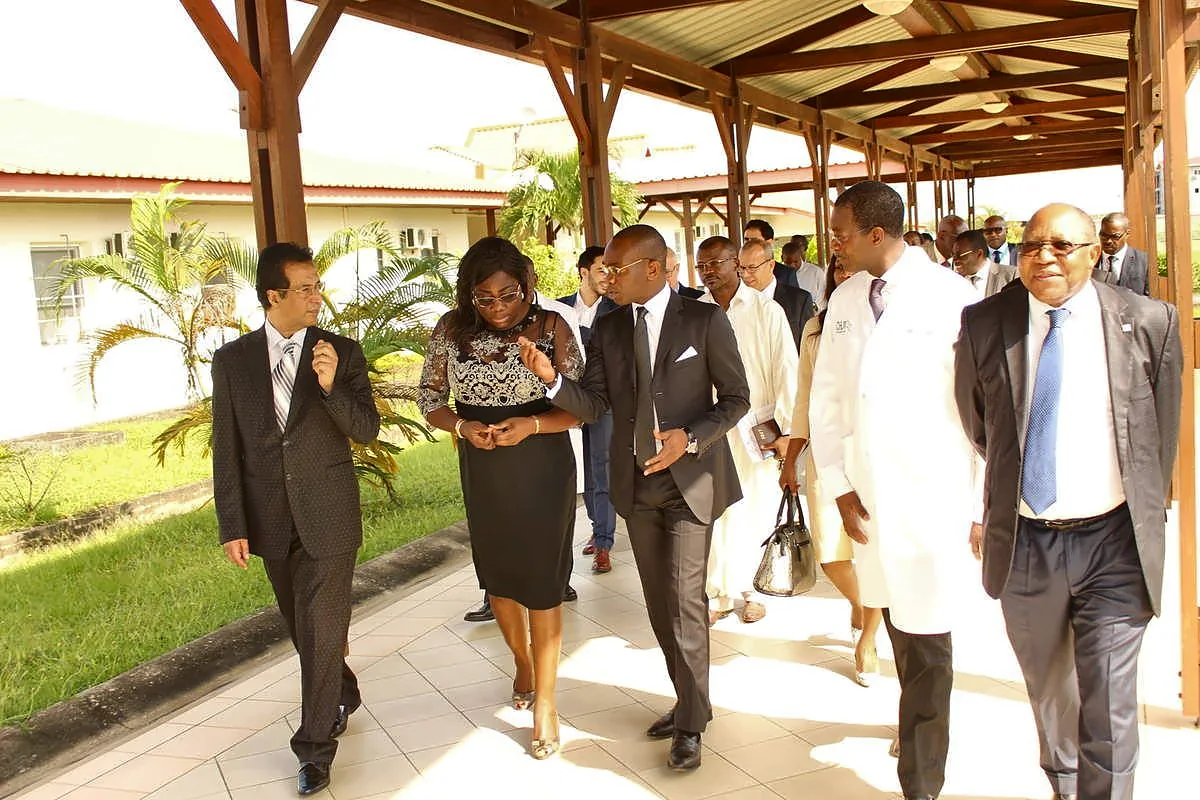
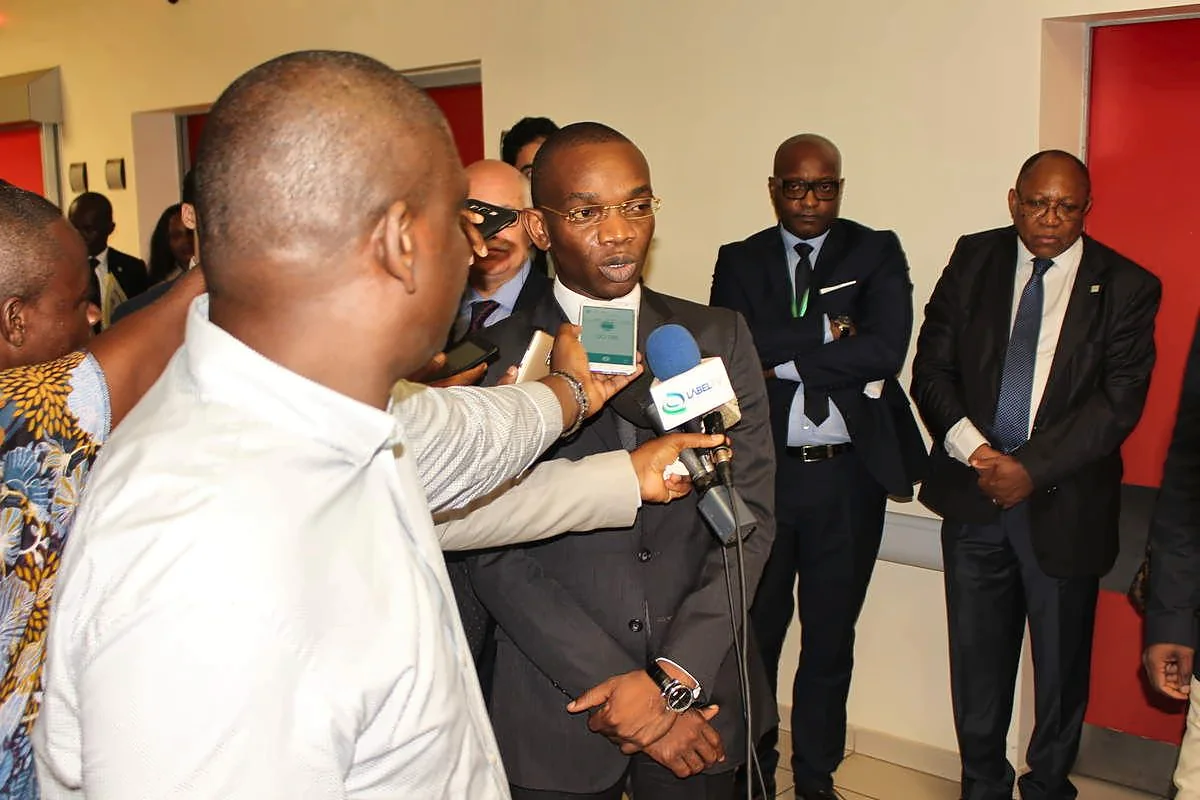
Organised in collaboration with the National Health Insurance and Social Guarantee Fund (CNAMGS) and the teams of Agondjé University Hospital, the mission had two objectives: to enable Gabonese patients to receive specialised neurosurgical care locally, and to strengthen the skills and technical facilities available on site.
Treating in Gabon conditions previously referred abroad
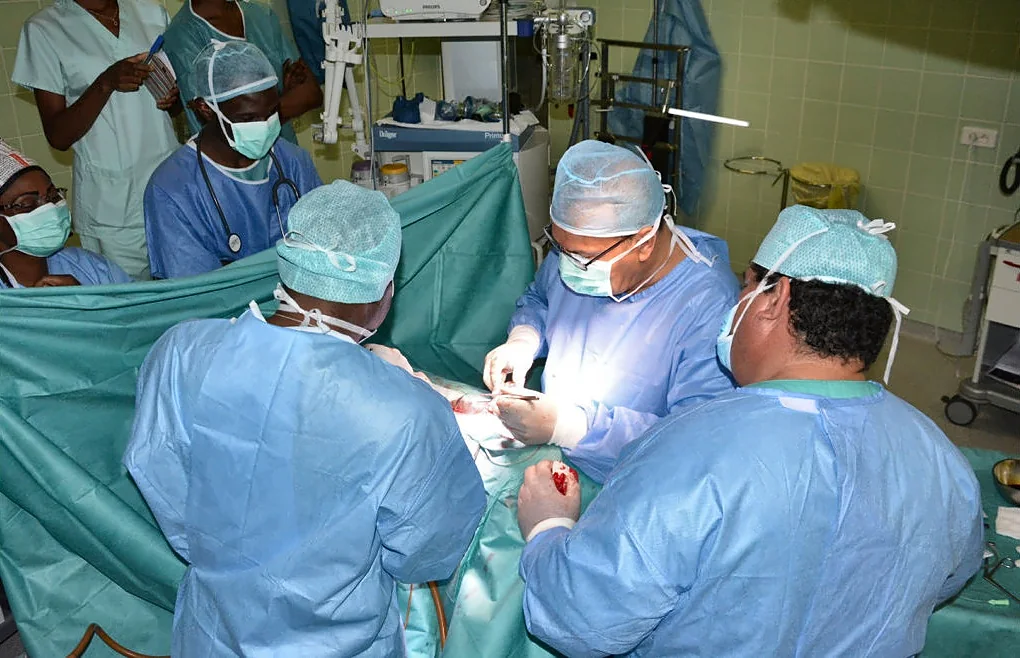
Two Moroccan neurosurgeons from the Polyclinique Internationale de Rabat, Prof. Abdelmajid SAOURA and Prof. Mostafa Fadli, took part in the mission alongside the teams of Agondjé University Hospital.
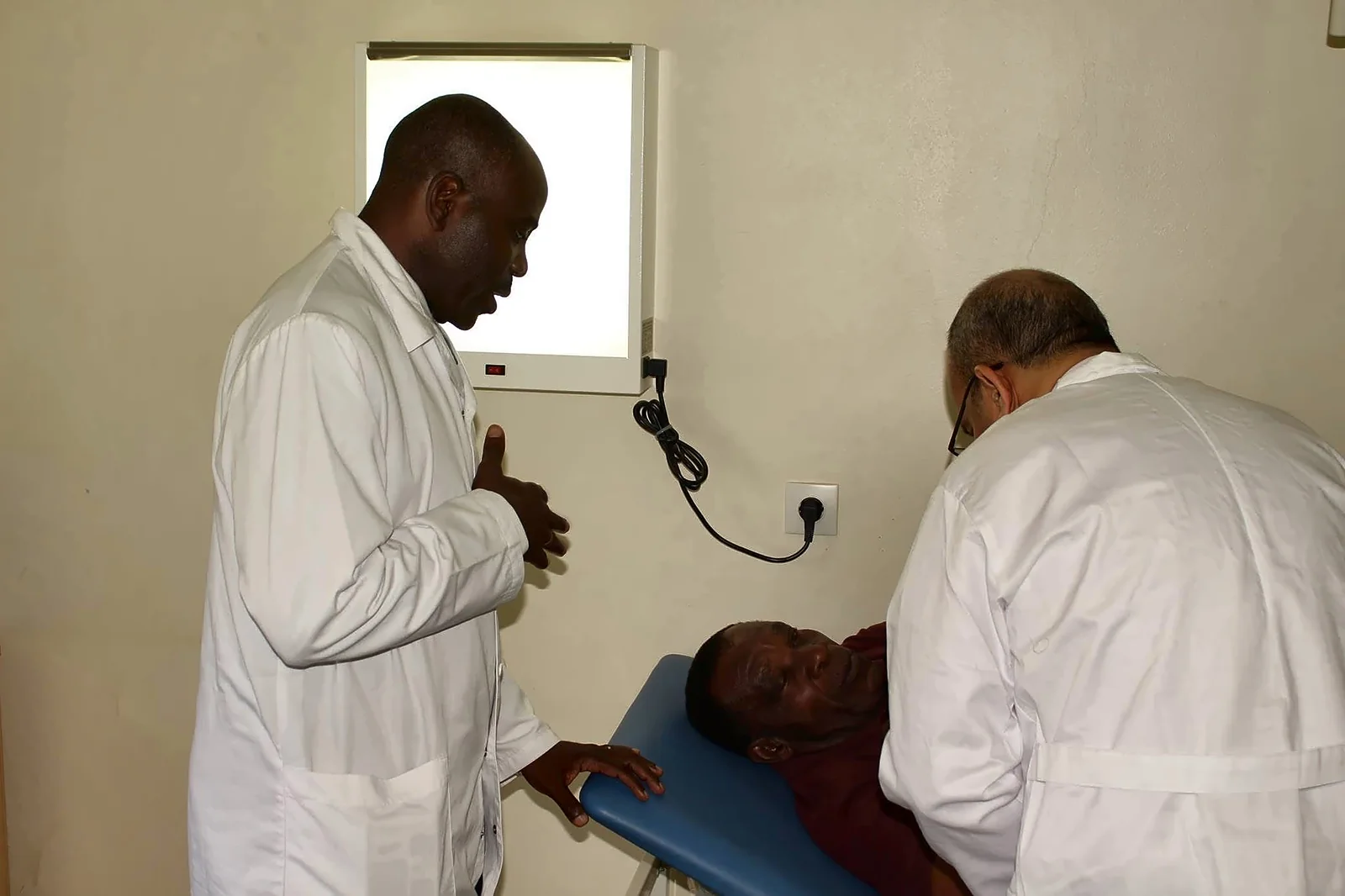
Over several days, the Moroccan and Gabonese teams worked together on patients suffering in particular from lumbar disc herniations, vertebral compression fractures and spondylolisthesis.
The patients concerned had been assessed beforehand, and some were initially scheduled for medical evacuation abroad. Setting up this activity in Agondjé made it possible to consider local treatment for some of these conditions, while reserving international evacuation for situations requiring resources or expertise not available locally.
Cooperation based on skills transfer
The mission was not limited to performing surgical procedures.
The Moroccan specialists worked directly with their Gabonese colleagues, encouraging the exchange of practices and the transfer of know-how. The hospital’s managers highlighted the value of this collaboration in enabling local technical teams to acquire new expertise.
This approach reflects a vision of medical cooperation in which the aim is not only to move patients to specialised centres abroad, but also to contribute gradually to the development of local medical capacity.
Strengthening the technical facilities of Agondjé University Hospital
The preparation of the mission was accompanied by a strengthening of the technical facilities dedicated to neurosurgery.
The CNAMGS helped provide equipment enabling the teams to perform certain procedures in better technical and safety conditions.
Concrete results for patients
The reports published at the end of the mission mention some forty patients examined.
According to the press at the time, five patients were successfully operated on, while three others were scheduled for medical evacuation to the Polyclinique Internationale de Rabat.
These results show the value of a model combining local care, rigorous medical selection and recourse to medical evacuation only when it remains necessary.
Reducing medical evacuations while improving access to care
One of the major challenges of this mission was to reduce the systematic use of international medical evacuations.
Developing specialised procedures in Gabon makes it possible to broaden access to care, better control the costs of evacuations and help local teams build their skills.
This philosophy lies at the heart of the model developed by Polycrabat Sevamed: organising access to medical expertise when necessary, while encouraging specialist missions, cooperation between teams and the transfer of skills to partner facilities.
An example of South-South medical cooperation
This mission in Agondjé is a concrete example of medical cooperation between Morocco and Gabon: teams working together around the patient, with the shared objectives of quality of care, skills transfer and the sustainable development of local medical services.
For Polycrabat Sevamed, this experience is part of a broader approach: bringing medical expertise closer to African patients, strengthening partnerships between facilities and building coordinated care pathways between Morocco and the continent.
In pictures